

José Pedro Almeida is a Portuguese clinical exercise physiologist, university professor, PhD candidate and longevity advisor. He coordinates the Physiology & Performance Lab at the Longevity Unit of Hospital CUF Tejo, directs the Integrative Sports Programme at Pinto Coelho Clinic and serves as Director of the Performance & Longevity Institute at OxyClinic. His principal area of expertise is the assessment and preservation of physiological reserve, with a focus on muscle strength, exercise capacity and physical function. He uses measures selected for each clinical context to identify emerging limitations, set priorities for exercise and assess whether changes translate into gains in mobility, exercise tolerance or everyday function. He uses the clinical history, functional assessment and response to exercise to establish a baseline and prescribe an appropriate starting dose. For an older adult, the intervention may target lower-limb strength and balance to improve transfers and walking. For a person in rehabilitation, it may prioritise exercise tolerance and symptom-guided progression. For an athlete, the focus may be adaptation to training and recovery between sessions. In each setting, reassessment informs the next adjustment to the programme.
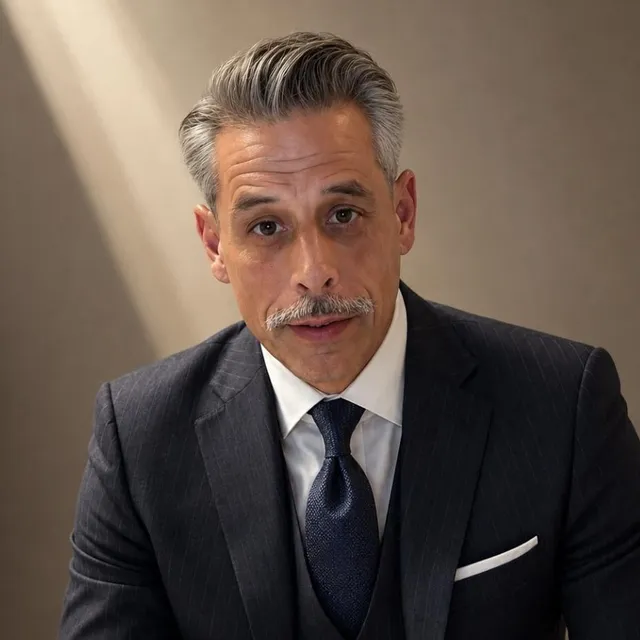
José Pedro Almeida
Clinical Exercise Physiologist, University Professor & Longevity Advisor
Hospital CUF Tejo
José Pedro Almeida coordinates the Physiology & Performance Lab at the Longevity Unit of Hospital CUF Tejo and directs the Integrative Sports Programme at Pinto Coelho Clinic. A university professor and PhD candidate, he applies clinical exercise physiology to rehabilitation, healthy ageing and human performance. His work focuses on the assessment and preservation of physiological reserve, particularly the contribution of skeletal muscle function and cardiorespiratory fitness to metabolic health and functional independence.
Highlights
- • Hospital-based longevity care. Coordinates the Physiology & Performance Lab at Hospital CUF Tejo, where he develops assessment pathways for functional capacity, healthy ageing and physical performance. These pathways integrate muscle strength, gait, balance, body composition
- • Clinical exercise and sports performance. Directs the Integrative Sports Programme at Pinto Coelho Clinic, where he brings together physiological assessment, individualised exercise prescription, and monitoring of training response and recovery.
- • Clinical programme development. Serves as Director of the Performance & Longevity Institute at OxyClinic and advises healthcare organisations on the design and implementation of longevity and human performance services.
- • University teaching and doctoral research. Teaches exercise physiology, functional anatomy, exercise for clinical and special populations, and high performance. His doctoral research focuses on low back pain and spinal function.
- • Longevity leadership. Is a founding member of the Longevity, Wellness & Sports Committee at the World Trade Center Lisboa Business Club, where he contributes a clinical and scientific perspective to discussions on longevity and human performance.
• Hospital-based longevity care. Coordinates the Physiology & Performance Lab at Hospital CUF Tejo, where he develops assessment pathways for functional capacity, healthy ageing and physical performance. These pathways integrate muscle strength, gait, balance, body composition. • Clinical exercise and sports performance. Directs the Integrative Sports Programme at Pinto Coelho Clinic, where he brings together physiological assessment, individualised exercise prescription, and monitoring of training response and recovery.. • Clinical programme development. Serves as Director of the Performance & Longevity Institute at OxyClinic and advises healthcare organisations on the design and implementation of longevity and human performance services.. • University teaching and doctoral research. Teaches exercise physiology, functional anatomy, exercise for clinical and special populations, and high performance. His doctoral research focuses on low back pain and spinal function.. • Longevity leadership. Is a founding member of the Longevity, Wellness & Sports Committee at the World Trade Center Lisboa Business Club, where he contributes a clinical and scientific perspective to discussions on longevity and human performance..
About José Pedro Almeida
José Pedro Almeida’s work examines how physiological reserve can be assessed in clinical practice and developed through exercise. His training in cardiac rehabilitation, postgraduate education in longevity and lifestyle, and doctoral research on low back pain and spinal function bring cardiovascular, musculoskeletal and functional perspectives to the same clinical question: what limits a person’s capacity to tolerate physical demands, and which intervention is most likely to improve it?
At Hospital CUF Tejo, he develops assessment pathways that bring together measures of strength, exercise capacity, mobility, balance and body composition. In older adults, findings from gait speed, chair-rise performance, handgrip strength and balance help identify limitations relevant to mobility, fall risk and independent living. He interprets each measure in the context of the person’s clinical history, symptoms, activity level and goals. The resulting profile helps determine the initial exercise dose, the priorities for progression and the outcomes to reassess.
In clinical and sporting populations, Almeida applies the same assessment principles to different physiological demands. A person with reduced exercise tolerance may need a progressive programme to improve the capacity for sustained activity. An athlete may need to establish whether a change in performance reflects adaptation to training or accumulated fatigue. His practice integrates exercise assessment with selected measures of autonomic function, sleep and recovery, including heart rate variability when relevant to the question under investigation. His clinical work also includes assessment of physiological responses to intermittent hypoxic–hyperoxic exposure.
As a consultant, he translates these principles into the design of clinical longevity services. He works on the definition of target populations, the selection of assessment protocols, the integration of exercise into clinical pathways, and the design of follow-up schedules and outcomes. His approach to precision medicine is anchored in decisions a clinical team can act on: which capacity to address first, how to individualise the intervention, when to reassess and what degree of change matters for the person’s daily function.
Topics & expertise
- Exercise Science
- Preventive Medicine
- Functional Medicine
- Clinical exercise physiology and individualised exercise prescription
- Skeletal muscle function
- metabolic health and healthy ageing
- Physiological reserve
- functional capacity and independence
- Cardiac rehabilitation
- cardiorespiratory fitness and exercise tolerance
- Functional assessment
- balance and fall prevention in older adults
- Functional anatomy
- spinal function and exercise in low back pain
- Autonomic function
- heart rate variability
- sleep and recovery
- Intermittent hypoxic–hyperoxic training and physiological response
- Endurance physiology
- training adaptation and human performance
- Design and implementation of clinical longevity programmes