


Longevity in your city
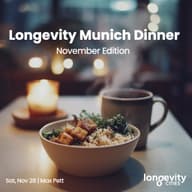
Next in Munich
Longevity Munich Dinner – November Edition
· Max Pett, Pettenkoferstraße 8, 80336 Munich
More meetups
After-work | Art & Longevity: An Evening at the Museum
Washington, D.C.RSVP
Hormones & Longevity: What Women and Men Need to Know
BerlinRSVP
Post-Thanksgiving Hike in Frick Park
PittsburghRSVP
Longevity on Court — Padel, People and Good Company
ValenciaRSVP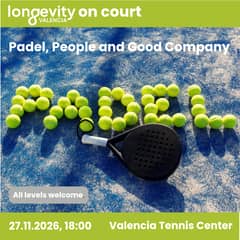
Mood&Move Krakow
KrakowRSVP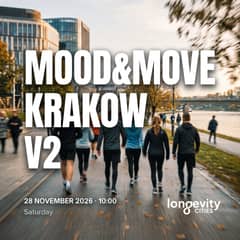
Matcha & Walk | Heritage Trail
PittsburghRSVP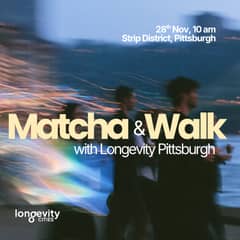
What you missed
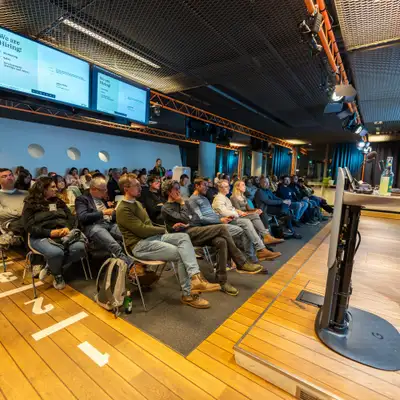
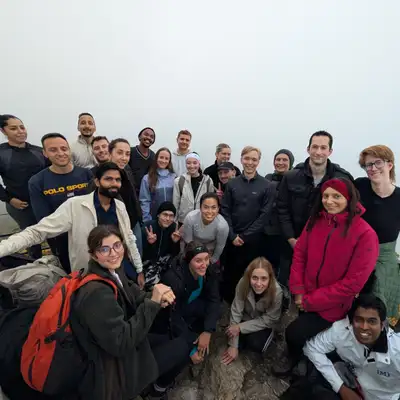
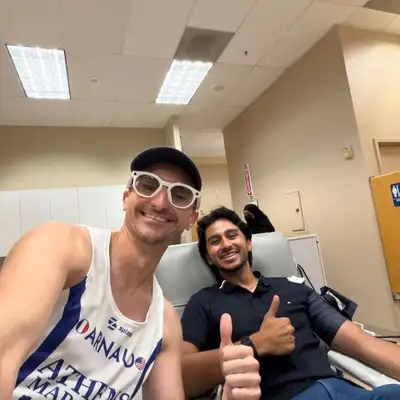
Photo gallery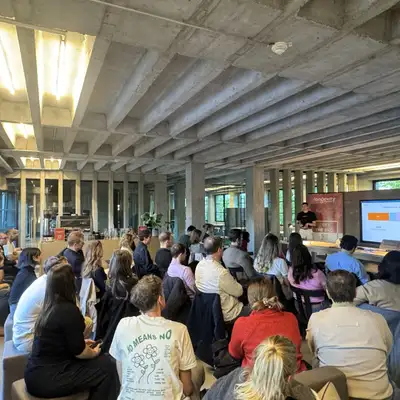
The people behind your chapter
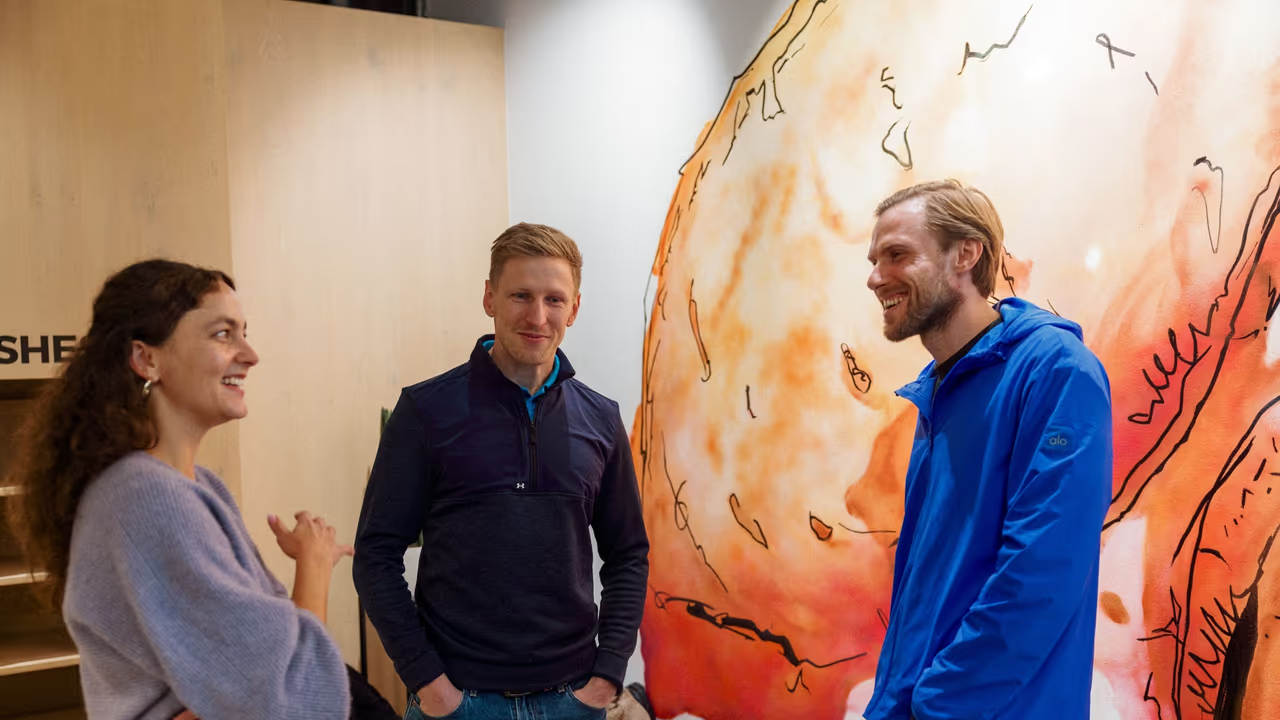
77 volunteers run the 57 chapters. They pick the route, book the table and answer the first message you send.
Explore all chapters


Sample scan
- Estimated age
- 37
- Heart rate
- 64 bpm
- HRV
- 52 ms
Face Age
A 60-second camera scan estimates your visible age, heart rate and heart rate variability.
Start the scanThis week’s reading


News
All news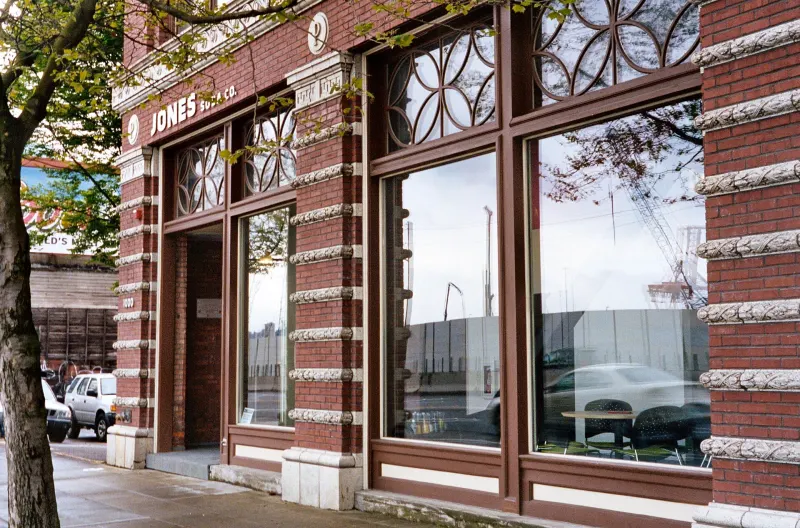
Jones Soda buys its way into endurance nutrition
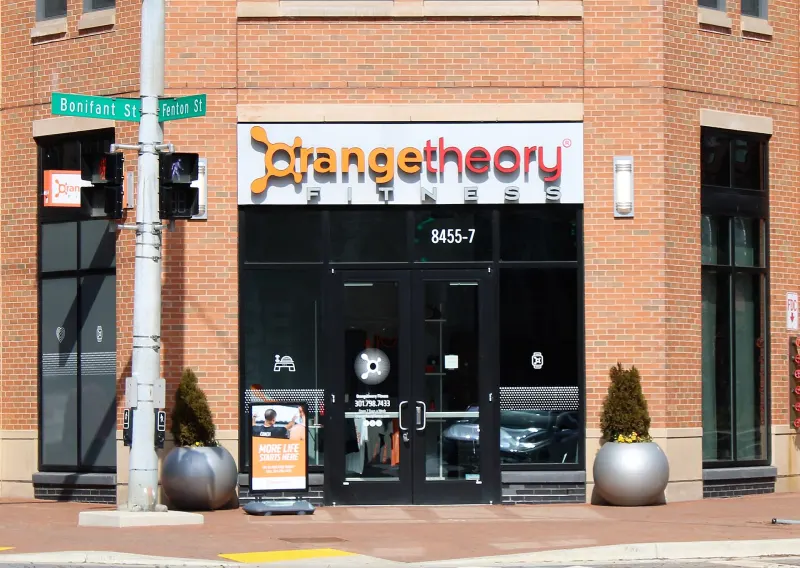
Orangetheory takes GLP-1 education onto the studio floor
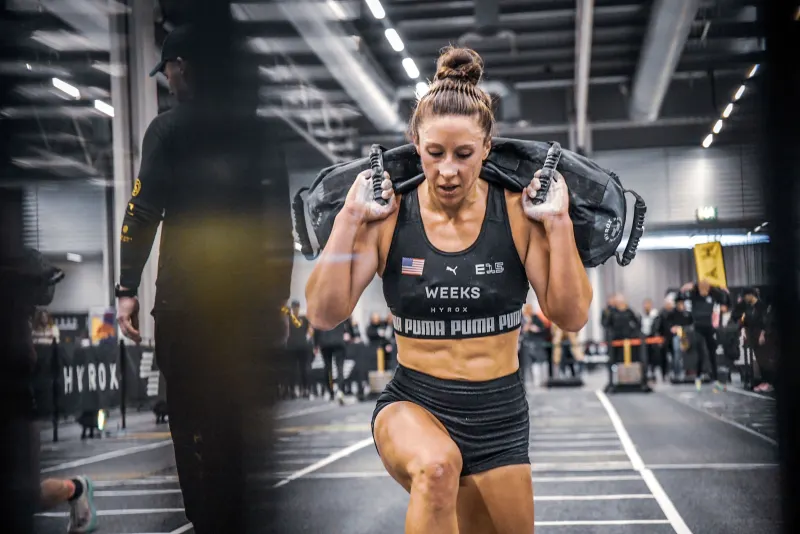
HYROX training moves into the gym app

Aman gives Novak Djokovic a role in its next hotel brand
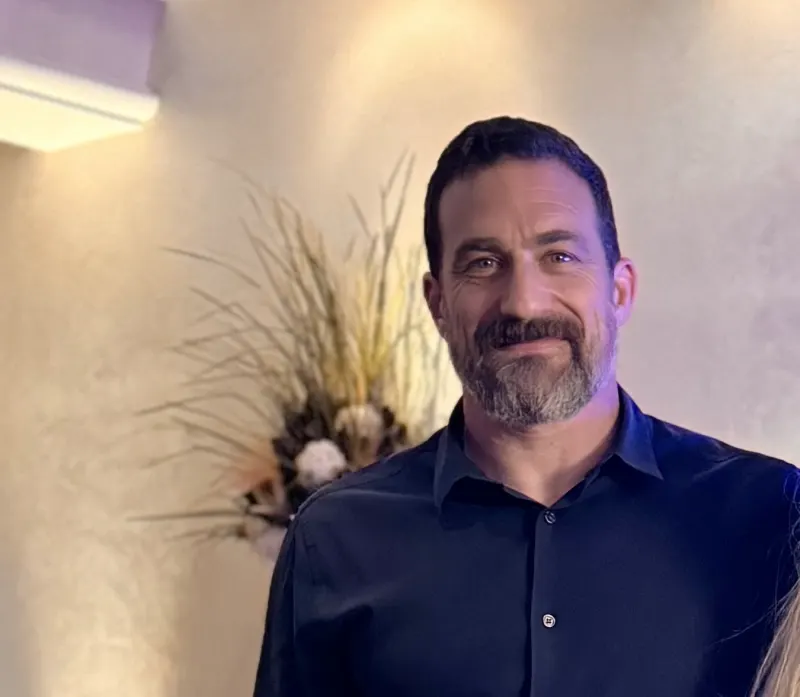
Andrew Huberman takes a board seat at Hims & Hers
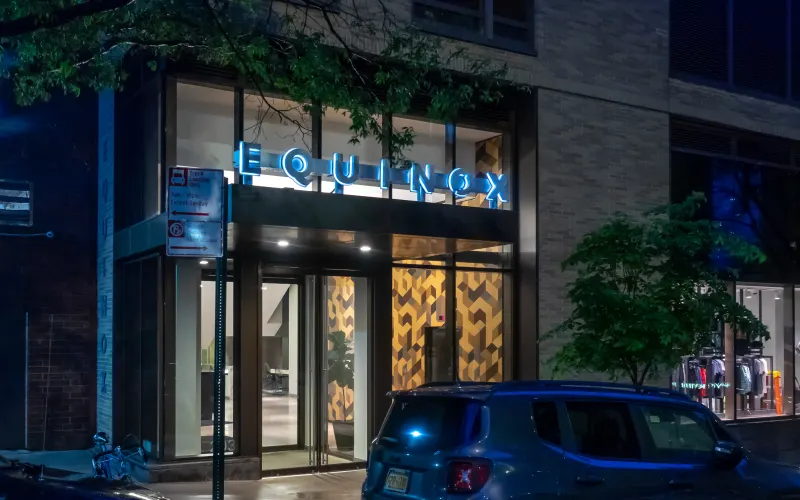
Equinox hires Brendan Whitworth for its next wave of clubs
Guides and research
Do more than turn up
Just have a question? Write to us

Start a chapter in your city
No chapter nearby? That is usually how one begins. We help with the first event, the format and the people.
Start the conversation
Speak at an event
Researchers, physicians, coaches and founders share the stage. Twenty minutes, no slides required.
Start the conversation
Partner with us
Venues, brands, labs and institutions that fit the mission. No pay-to-play, no commission.
Start the conversation
Frequently Asked Questions
How do I find a longevity community or meetup near me?
We run free in-person chapters in 57 cities across 19 countries, from London, New York and Tokyo to Munich, Shanghai and San Francisco. Pick your city on the chapters page, open the event calendar, and RSVP. No membership, no sign-up fee. Most cities host something every week or two. Cold plunges one weekend, an expert talk the next, a run club the week after.
What happens at a longevity meetup, and what should I expect?
Typical formats include morning raves, cold plunges, expert talks, run clubs, grip-strength testing, healthy-food tastings, and long walks. Most events last 1 to 2 hours. They mix a short science input with something you actually do, like movement, breath work, or a measurement. No one pitches supplements, no one sells protocols, and no medical background is required. Come alone or bring a friend, both work.
I'm not a scientist or a doctor. Can I still join?
Yes. Most people who show up are curious beginners, not professionals. The usual mix is students, entrepreneurs, athletes, and people who simply want to feel good for longer. Plus some doctors, nurses, and researchers. No prior knowledge, lab data, or specific fitness level is needed. Questions that feel awkward to ask a GP are usually welcome here.
Are the events really free, or is there a catch?
Yes, 100% free. Events, the AI photo age test, the health-spots map, the weekly research digest, guides, articles, and community challenges all cost nothing. No premium tier, no paywall, no membership fee. We do not sell supplements, lab tests, or clinic appointments. Funding comes from optional partner sponsorships, and sponsored content is labeled clearly. Your wallet stays out of it.
More questions
What is longevity?
Longevity means a long life. Today the term is mostly about healthspan, the years you live without serious chronic disease. Lifespan describes how long you live. Healthspan describes how long you stay well. A large changeable share comes from lifestyle: movement, nutrition, sleep, social connection, stress management and prevention. How much genes contribute is contested, and a substantial share stays with behaviour and environment.
What is Longevity Cities, and how do its local chapters work?
Longevity Cities is the international network of free, science-based longevity communities. 57 local chapters in 19 countries connect people through meetups, expert talks and shared activities. Country communities belong to this network; each city has its own local community. Events, the research digest and tools are free. Researchers, health professionals, founders and people interested in healthy aging are welcome.
How do I get started with longevity, and what should I do in the first week and first month?
Most beginners start with a short list the evidence actually supports. Daily walking of about 30 minutes. Consistent sleep timing. 1 or 2 strength sessions a week. A free baseline helps too, like our AI photo age test. Month 2 is usually when people add a second strength session, the weekly research digest, and a local meetup. The compounding effect sits in consistency, not in a long supplement stack.
Do I need to take supplements or follow a protocol to be part of the community?
No. We do not sell supplements, we do not prescribe protocols, and we do not tell you what to put in your body. What we do is share the current evidence from peer-reviewed research on exercise, sleep, nutrition, and preventive screening. You decide what to do with it. At a meetup, nobody hands you a product or a plan.
I'm over 50 (or over 60). Is the community for my age?
Yes, arguably more than for a 25-year-old. The evidence on strength training, cardio fitness, sleep, and social connection shows meaningful benefit in your 50s, 60s, and 70s. At most meetups you will find people spread across 4 decades. The age range is not a signup filter. It is just how the crowd looks.
What free longevity tests can I take right now?
A few you can start today, without leaving the browser. Our AI photo age test estimates your perceived facial age from a selfie. The interactive health-spots map shows free outdoor gyms, saunas, cold-plunge spots, and healthy eateries in your city. The weekly research digest delivers peer-reviewed updates for free. At in-person meetups, you can also get a grip-strength measurement. Grip strength is a validated proxy for muscle health. No lab, no subscription, no cost.
How accurate are AI photo age tests?
AI photo age tests estimate your perceived facial age, not your biological age at the cellular level. The signal correlates with cardiovascular and metabolic health markers in published research. That makes it a useful free indicator. It is not a diagnosis, and a single result should not drive medical decisions. Our free test gives you a baseline you can retake over time. The trend usually tells you more than any single number.
What is a longevity clinic, and do I need one?
Longevity clinics are private preventive-medicine practices that run deeper diagnostics than a standard GP. That includes epigenetic age tests, extended blood panels, DEXA body composition, VO2max testing, and tailored prevention plans. They can make sense with specific concerns, a family history, or the right budget. Typical cost is €2,000 to €20,000+ a year. For most people, 80% of the benefit is free: strength training, sleep, nutrition, and routine screening at your regular doctor. A clinic adds resolution, not fundamentals.
How is the longevity community different from biohacking?
The two overlap, but the emphasis is different. Biohacking tends to center on individual self-experimentation, early-stage interventions, and large supplement stacks. This community sits on the evidence-weighted side: peer-reviewed research, healthspan over lifespan, and shared practice in person. That is exactly why we publish a weekly research digest. It lets you tell a well-powered trial apart from a podcast claim.
What language are the events in?
English is the shared language of the network, and many chapters run their events in English. In cities like Berlin, Munich, Vienna or Zurich, many events are in English or bilingual, and some run in the local language. Each event page states its language, so check it before you RSVP. Organizers are usually happy to switch languages for individual questions.
Is longevity pseudoscience? Is it all just hype?
Parts of the wider space genuinely are hype. There is a real difference between well-evidenced interventions and the marketing around most anti-aging supplements. The evidenced list: strength training, sleep, nutrition, social connection, selected preventive screening. Our job as a community is to separate evidence from marketing, without being naive on either side. If something sounds too good, we say so. If the data holds up, we say that too.