Skip to content
Shanghai

Longevity Shanghai

Your free, science-based community for living longer and better in Shanghai.

11 Events · always free

attended this year
3
meets every
week
meetups this year
11
October · 0 meetupsNovember · 0 meetupsDecember · 0 meetupsJanuary · 0 meetupsFebruary · 0 meetupsMarch · 0 meetupsApril · 0 meetupsMay · 0 meetupsJune · 0 meetupsJuly · 3 meetupsAugust · 6 meetupsSeptember · 2 meetups

What is Longevity Shanghai?

Longevity Shanghai is a free, science based community for people in the city who want more healthy years. Few places are better set up for the subject. The biotech and pharma campuses at Zhangjiang in Pudong sit in the same city as the medical faculties of Fudan and Jiao Tong, an employer paid annual physical is a normal part of working life here, and at six in the morning Fuxing Park and Zhongshan Park fill with people who have exercised daily for forty years. Shanghai reports one of the highest life expectancies in China, so the question in this city is rarely whether prevention works.

The calendar is meetups, expert talks with researchers or clinicians, and hands on workshops, all free. Certain topics return every few months: reading a blood panel without panicking over one flagged marker, what a biological age test actually measures, sleep in a city that eats late and works later, nutrition beyond the usual arguments, strength training for people who have only ever run, and VO2max (how much oxygen your body can use when you push hard). Biohacking gets discussed at nearly every event, usually until somebody asks which study the claim came from. Community challenges run for a few weeks at a time when people want the structure.

Shanghai has no shortage of paid options, so here is what we are not: a longevity clinic, a longevity centre, a private health club or a coaching practice. Taking part is free, we sell nothing, and no diagnosis or treatment takes place at an event of ours. The city itself carries a fast growing preventive medicine market, from hospital health management centres selling extended screening packages to international private hospitals with self pay wellness departments, recovery studios, and the industry forums that pull researchers and investors into Pudong each year. Members try a good deal of it and say openly what it was worth. The community Spots map points at labs, gyms and studios nearby, collected by members and checked medically by nobody.

Who shows up: research and pharma people from Zhangjiang, doctors, founders, teachers, expats a year into a posting, and someone who finished one book on ageing and wants a reality check. Events run mainly in English and slide into Mandarin depending on the room. To start, create a free account, join the Shanghai community group or simply come to the next event. Nobody has to approve you.

Upcoming Events in Shanghai

No upcoming events scheduled yet. New dates are added regularly.

All events in Shanghai

Join Shanghai Chapter

Past Events in Shanghai

11 gatherings and counting.
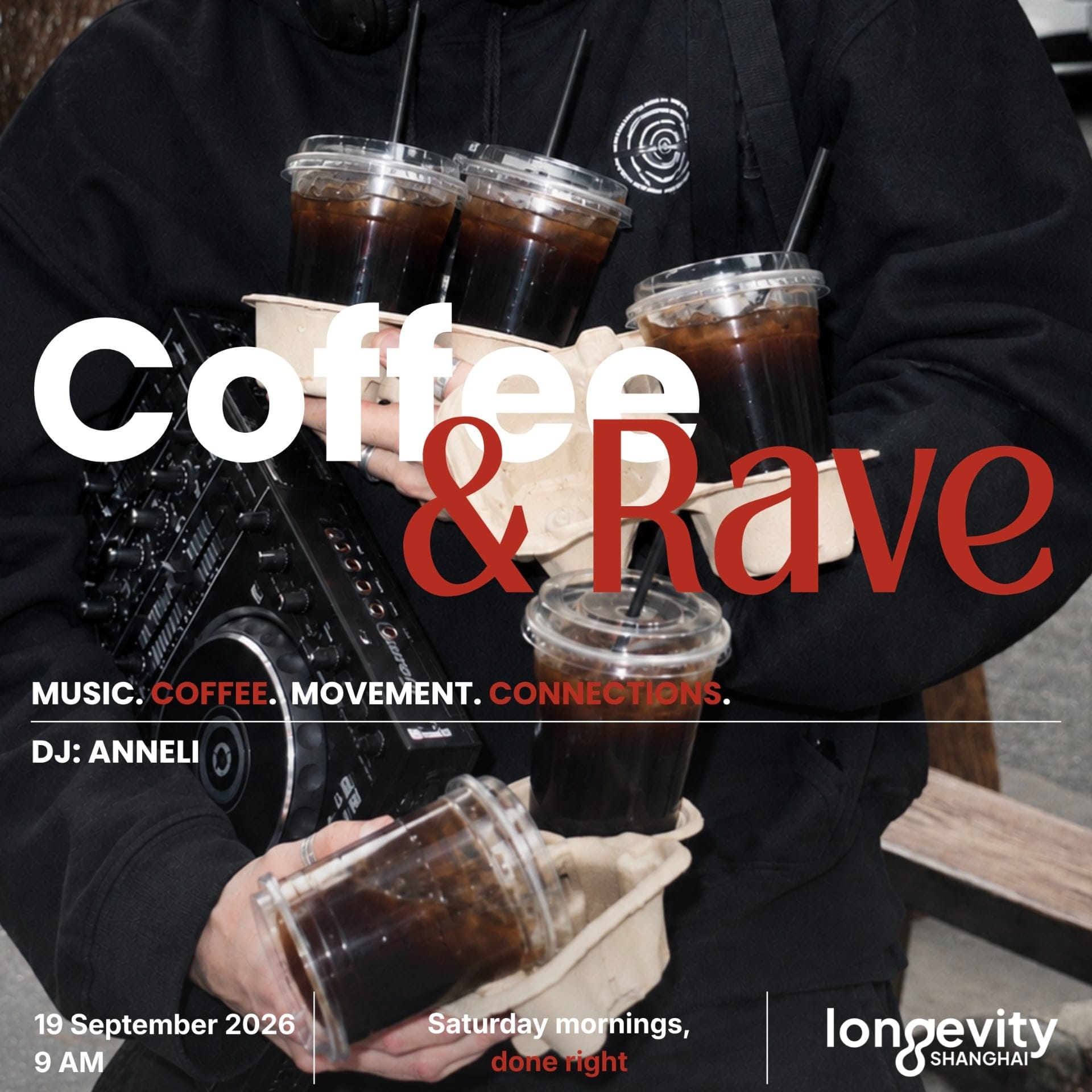
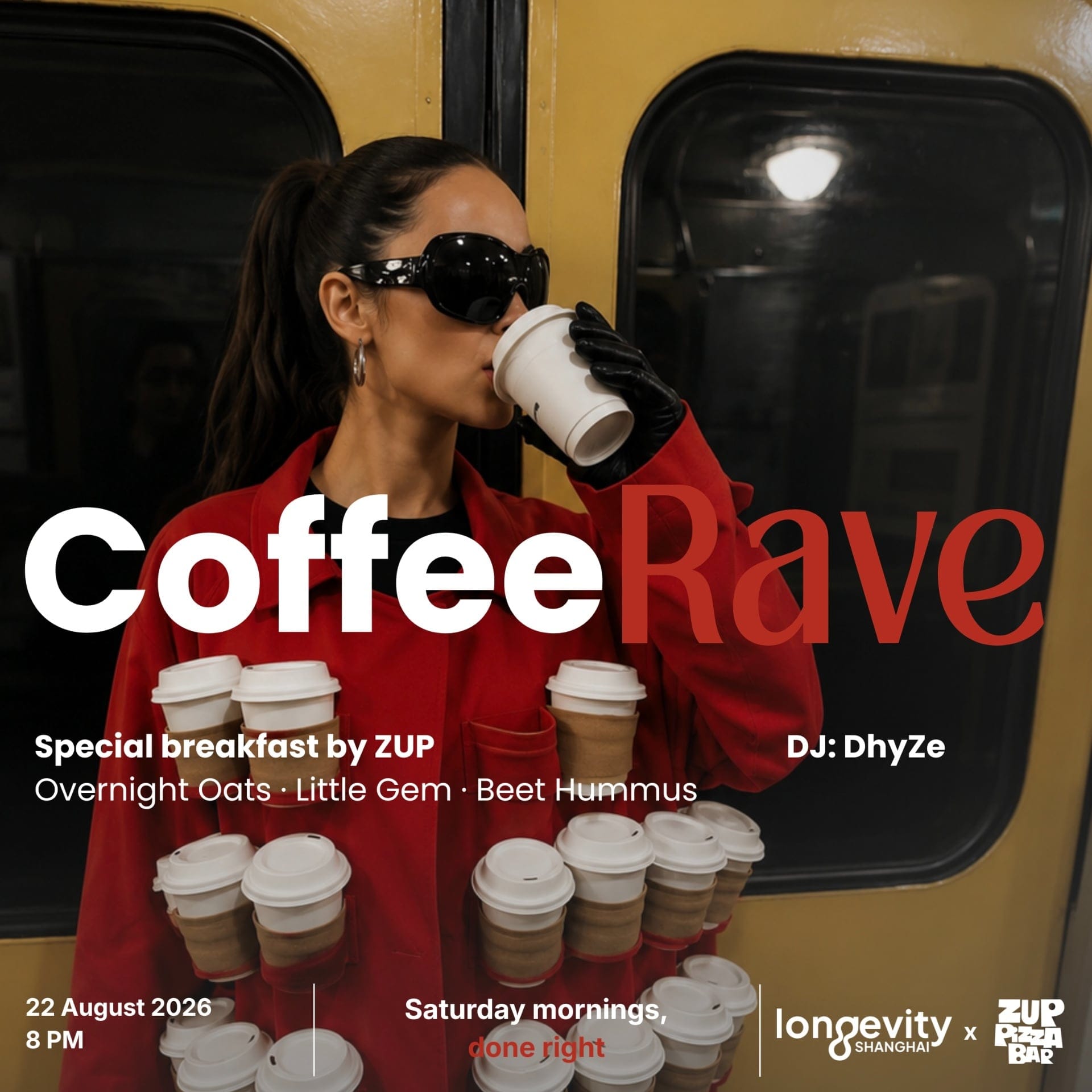
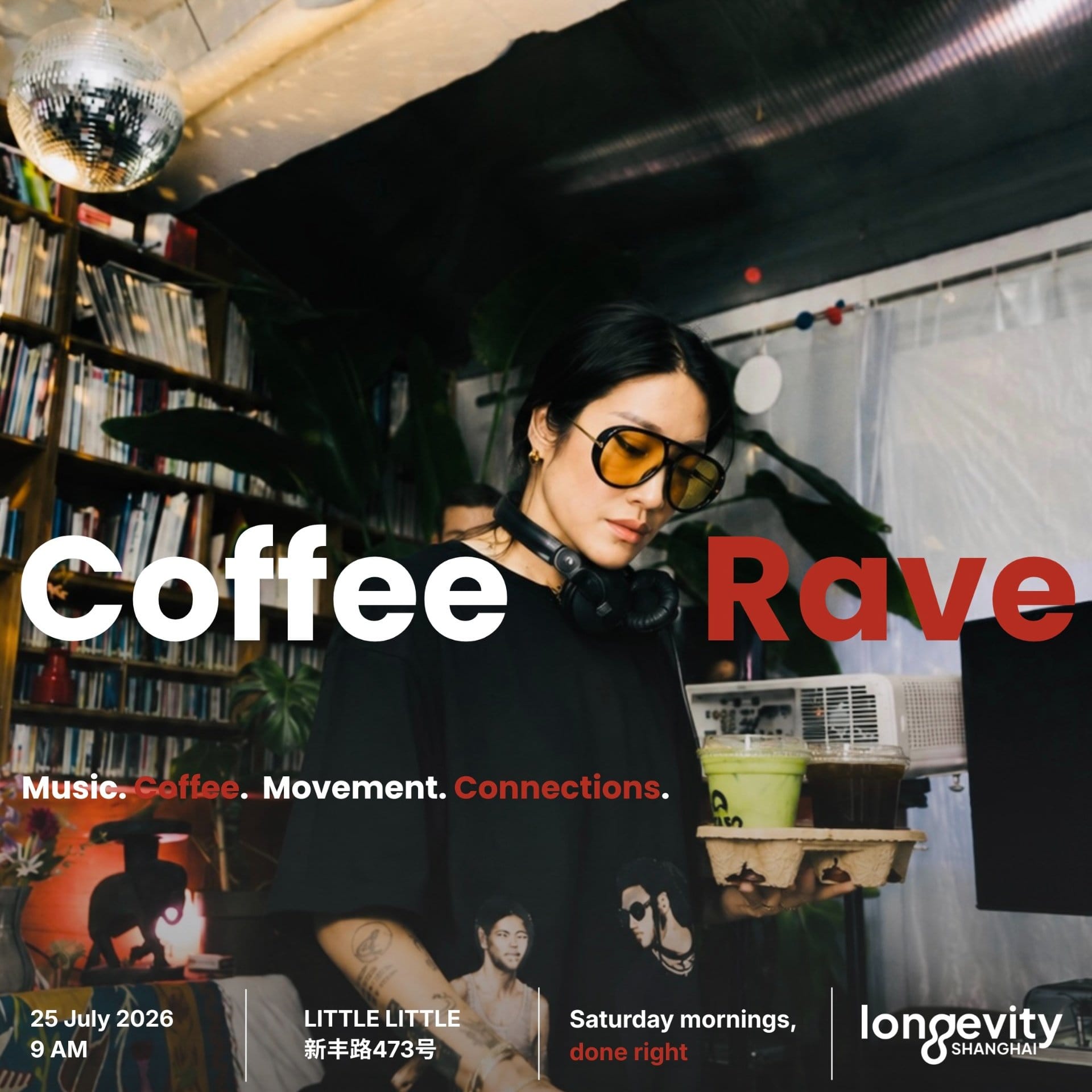
Coffee Rave
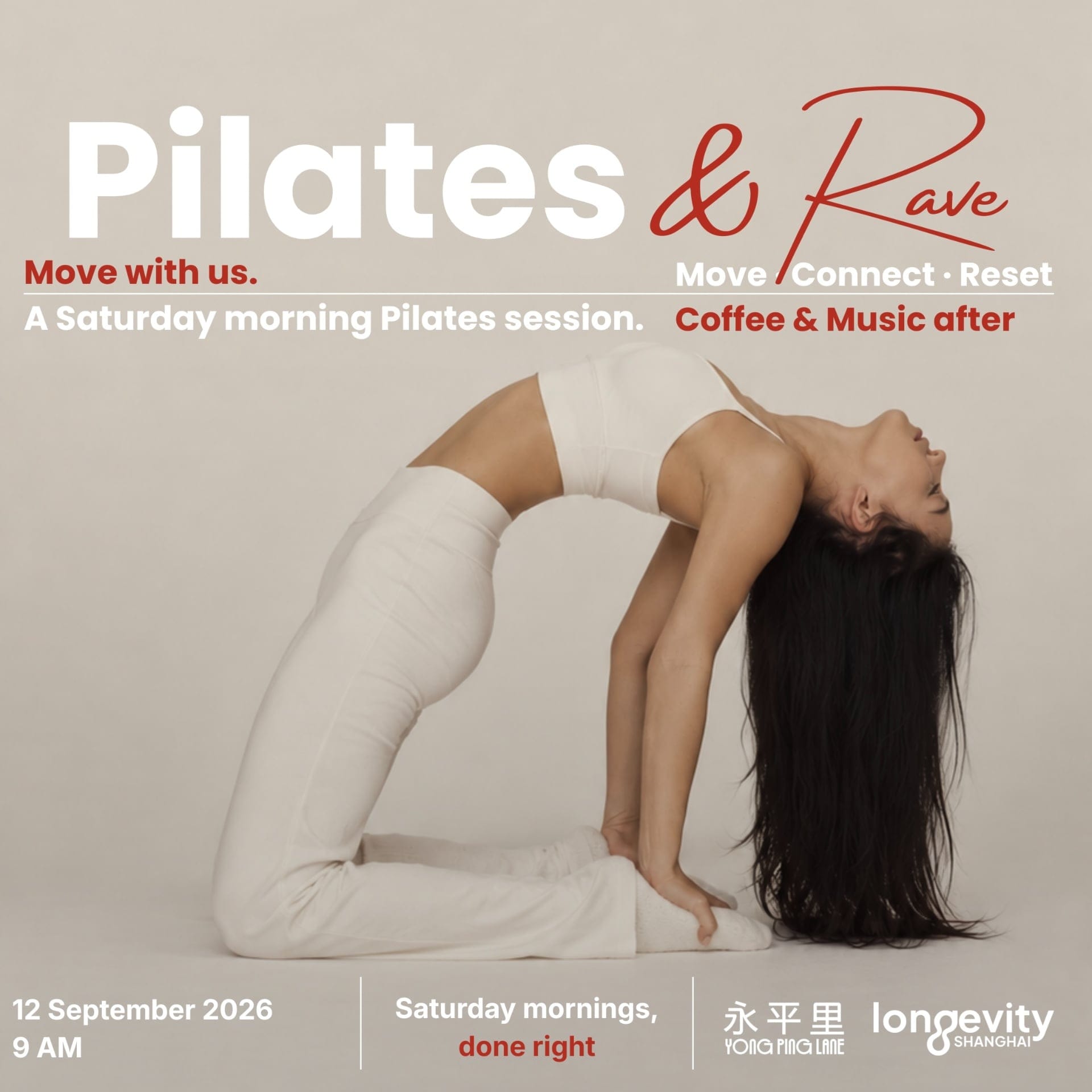
Coffee Rave

Pilates & Rave

Pilates & Rave

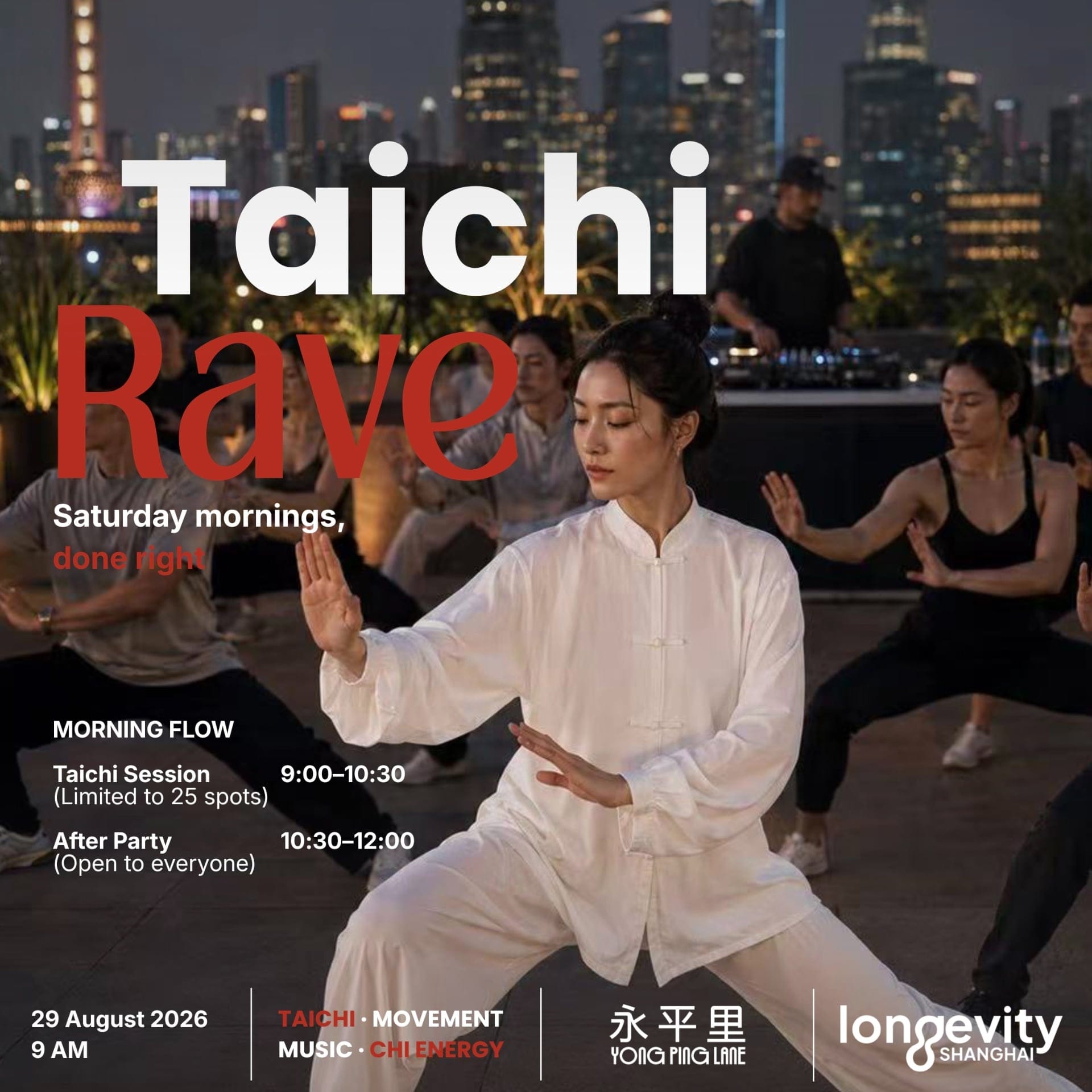
Taichi Rave

Taichi Rave

Coffee Rave

Coffee Rave

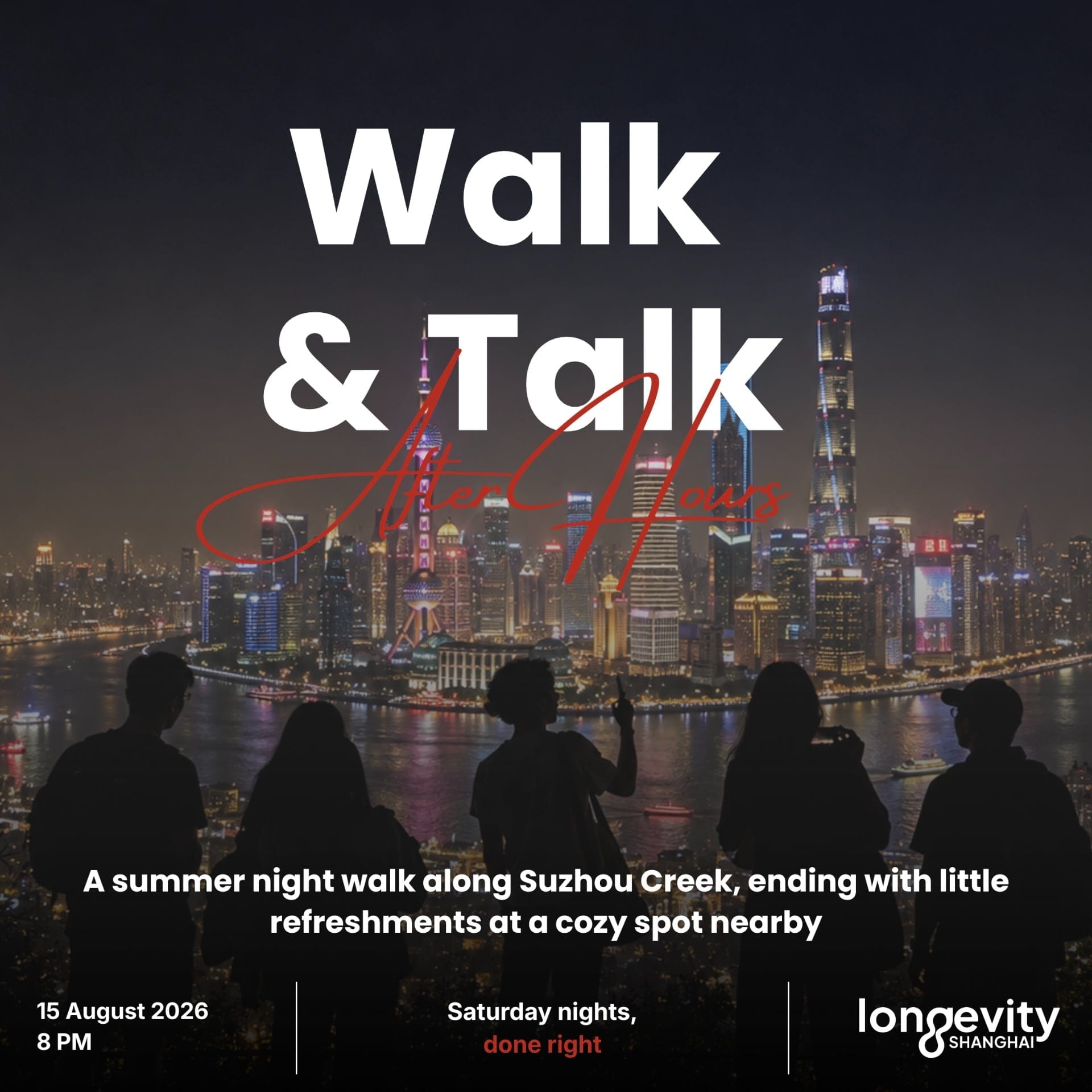
Walk & Talk: After Hours
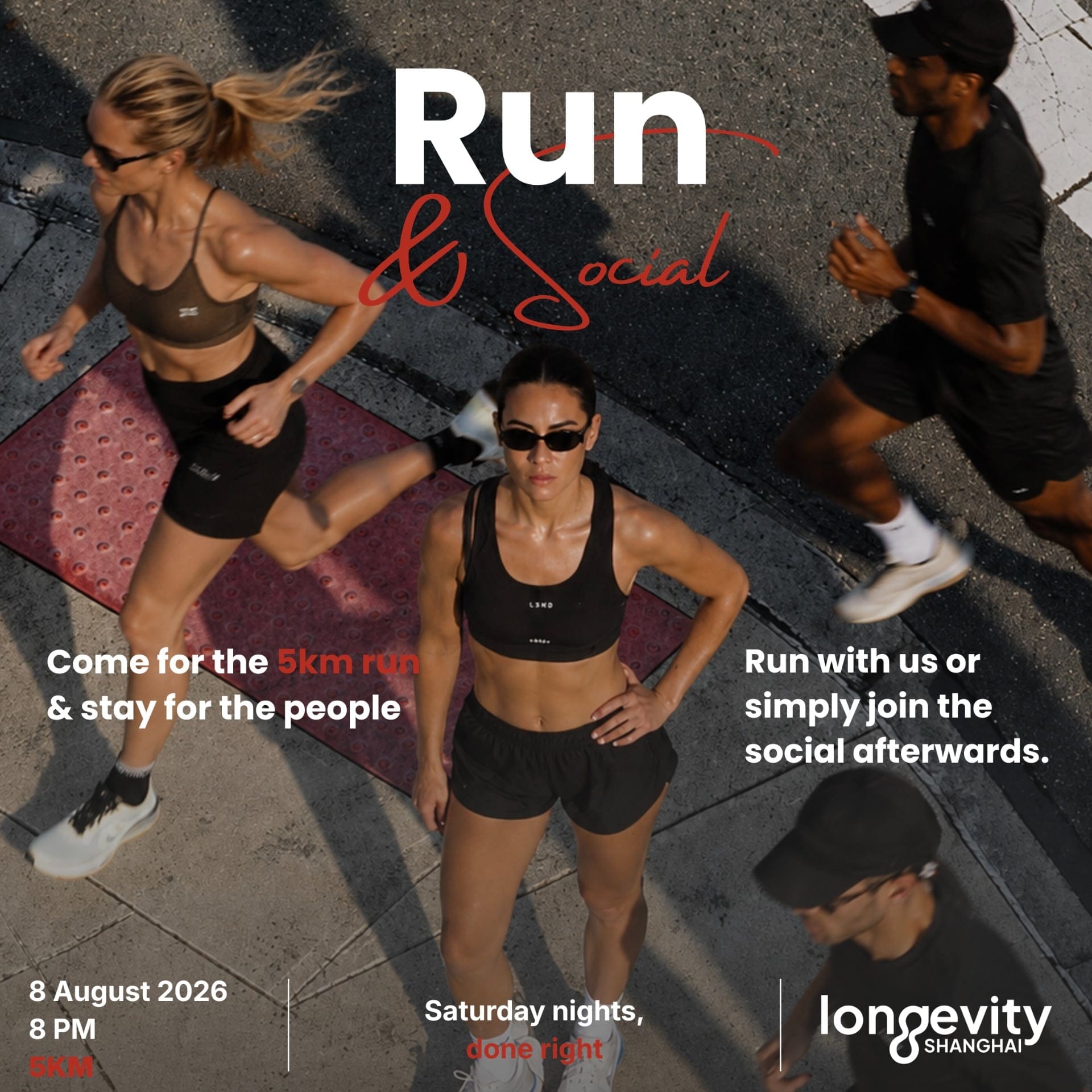
Walk & Talk: After Hours

Night Run & Chill

Night Run & Chill

Climb & Coffee Rave
Climb & Coffee Rave

Walk & Talk: After Hours
Walk & Talk: After Hours

Coffee Rave

Coffee Rave

Frequently Asked Questions

What is Longevity Shanghai?+
Longevity Shanghai is the free Shanghai chapter of an international longevity community, open to anyone who wants more healthy years rather than simply more years. We meet for talks, workshops and long conversations about healthspan, prevention and the research underneath both. The people in the room range from clinical researchers and pharma staff to someone who started wearing a sleep tracker two weeks ago. There is no fee, no application and no reading list. Most people first hear about a date through the events feed or the Shanghai community group.
Is Longevity Shanghai a longevity club or a health club?+
Club here means the people, not a building with a monthly fee attached. Shanghai does have genuine private health clubs and premium gyms with recovery suites, and plenty of members pay for one of those separately, which sits perfectly well alongside this. What we run is free and has no premises of its own, so rooms get borrowed and the value comes from who turns up. Nobody at the door checks your company, your visa status or your resting heart rate. Come once, come monthly, or read along quietly.
Is there a longevity centre in Shanghai?+
Private longevity and health management centres do operate in Shanghai, and Longevity Shanghai is not one of them. What they sell is typically a self pay package: a long first consultation, a wide blood panel, often imaging, then a doctor's plan to follow. We keep no treatment rooms, no appointment book and no commercial tie to any provider. The community adds something no brochure carries, since a member who paid for a package will say in front of a room whether the report changed anything they actually do.
Where can I find a longevity doctor, clinic or treatment in Shanghai?+
We cannot refer you to anyone, because this community has no medical staff of its own. In Shanghai the usual routes are a large public hospital such as Ruijin or Zhongshan, an international private hospital with English speaking doctors and a self pay wellness department, or a health management centre selling screening packages directly. Quality and price vary widely, so members swap first hand experience at meetups instead of relying on what a provider's own page claims. The Spots map lists practices, labs and studios members have visited, with no medical check from us.
What longevity events, meetups and biohacking sessions happen in Shanghai?+
Meetups, expert talks and workshops make up most of what happens, and all of it is free. A meetup is mainly conversation, a talk brings in somebody who works on the topic professionally, and a workshop gives you something to try on the spot. Alongside those, community challenges run for a few weeks around one shared habit with progress posted in the group. Recurring subjects include sleep, nutrition, strength work, biological age testing and whichever biohacking gadget people are arguing about that month. Dates go up in the events feed.
Is Longevity Shanghai free?+
Yes. Membership costs nothing and almost every event is free to attend as well. We run no premium tier, no paid upgrade and no pitch at the end of a talk. Where an evening does carry a cost, usually because a venue bills for the room or a lab bills for a test, that appears in the listing before you register. A free account also opens the bilingual guides and the biological age tool on this site, and neither of them asks for card details.
How do I join Longevity Shanghai?+
Three routes work equally well: create a free account here, join the Shanghai community group, or turn up at the next event and introduce yourself. None of them involves a form that somebody has to approve. If you would rather look before spending an evening on it, Instagram and LinkedIn show what recent meetups were like. Arriving on your own is completely normal, since a good share of the room does exactly that. Bringing a colleague or a flatmate is fine, and nobody needs to register twice.
Where can I test my biological age in Shanghai (DEXA, VO2max, bloodwork)?+
Extended blood panels, DEXA body composition scans and VO2max tests are all available in Shanghai, mostly through hospital health management centres, international private clinics and a few gyms with real testing kit. None of it happens through us and we take no commission from providers. Before paying for anything, try the free biological age tool on this site: it gives a rough first estimate from questions you answer at home. In the group, people post what a panel cost and whether anybody sat down and explained the numbers afterwards.
My employer already pays for an annual health check in Shanghai. What does this community add?+
The annual tijian hands you a folder of numbers, and it rarely hands you anybody to discuss them with for more than a few minutes. That is the gap the community fills, because members bring their own results and work through what a marker like fasting glucose or ApoB (a protein that tracks how many cholesterol particles are circulating) is really saying. Nobody here interprets your file for you or replaces your doctor. You get context, better questions to take back to the next appointment, and the discovery that page four confuses other people too.
How does Longevity Shanghai relate to traditional Chinese ideas about health?+
Yangsheng (养生), the old practice of nurturing life through food, rest and daily rhythm, already shapes how many members think, and it works better as a starting point than as a rival to research. Parts of it line up neatly with current evidence: regular movement, home cooked warm meals, not eating late at night. Other parts have never been tested properly. We say so when that is the case. A talk on this ends in a comparison, and nobody in the room is asked to pick a side.
Which parts of Shanghai does the chapter cover, and what about the wider Yangtze delta?+
Events move around instead of sitting in one district, so an evening might land in Jing'an, in Xuhui near the old French Concession, or across the river in Pudong when a host space there is free. The exact address is always in the listing. The chapter covers the whole municipality, and people occasionally travel in from Suzhou, Hangzhou or Wuxi when a topic is worth the high speed train. Suggestions for a room are welcome, because free venues are the real constraint here rather than interest.
Are Longevity Shanghai events held in Mandarin or English?+
English is the working language at most events, with Mandarin running through the side conversations and taking over whenever the room is mostly local. Speakers are used to mixed rooms, so a question in either language is normal and someone will translate a term that lands awkwardly. The word people search for here is 长寿, changshou, meaning long life, and it carries a warmth the English word longevity does not quite have. This page and the site's guides exist in English and German, which is why you are reading one of those two.